Governance
#BoomingAfrica: frugal innovation and digital sovereignty
Between myths, models and realities, can frugal innovation serve genuine African digital sovereignty?
1 min read
Since the Arpanet of the 1960s, Internet governance has taken shape largely without Africa. Can it weigh in?
Since its creation in the 1960s by DARPA, the original Arpanet network has undergone several stages of evolution from its initial architecture to meet the ever-growing needs of its users (whose number was close to 4.5 billion in June 2019 according to World Internet Users Statistics). With the gradual popularisation of the technologies and protocols that govern its operation (TCP/IP), this evolution of the original network led to the creation of several other networks around the world, their interconnection (which gave rise to the Internet), and even the creation of an information space, to become what we now call cyberspace.
Given the place that the Internet and cyberspace now occupy in every aspect of our daily lives (economic, social, political, military, etc.), mastering the technical, normative and regulatory developments of the original network is therefore a highly important, even vital, stake for the major powers. Hence the need to organise what is commonly called internet governance. This governance was long conducted solely by the creator of the network (the United States), through a series of steering bodies (under American law) essentially made up of the major American digital actors and operators (Cisco, IBM, AT&T, etc.). This, given the stakes, began to pose a problem for the other powers towards the end of the 1990s.
According to the definition adopted by the working group of the WSIS (World Summit on the Information Society) held in 2005 in Tunisia on the subject: internet governance is the development and joint application, by states, the private sector, civil society and international organisations, within their respective roles, of principles, norms, rules, decision-making procedures and programmes shaping the evolution and use of the Internet. At the end of this summit, an agenda was set with several resolutions relating to internet governance.
Let us cite, for example, these two that frame the debate well:
art. 35 a) with regard to general-interest matters relating to the Internet, decision-making authority falls under the national sovereignty of states, which have rights and responsibilities in this area; art. 38: We call for the strengthening of regional institutions specialised in the management of Internet resources in order to guarantee the national interests and rights of the countries of that region as regards the management of their own Internet resources, while ensuring coordination at the global level in this field.
In order to explore how these resolutions materialise, we propose to distinguish two types of key bodies that organise, supervise, run and contribute to the proper functioning of the internet network: the technical (so-called functional) bodies that supervise the architecture, protocols, technologies and any other technical development.
The influence (so-called non-functional) bodies that advocate for the good quality and neutrality of the network around the world, for facilitating access, for the creation and running of spaces for consultation, discussion and multilateral dialogue on managing the impacts of the internet in our societies, etc. But above all, we will question the usefulness and relevance of these bodies for Africa.
Between myths, models and realities, can frugal innovation serve genuine African digital sovereignty?
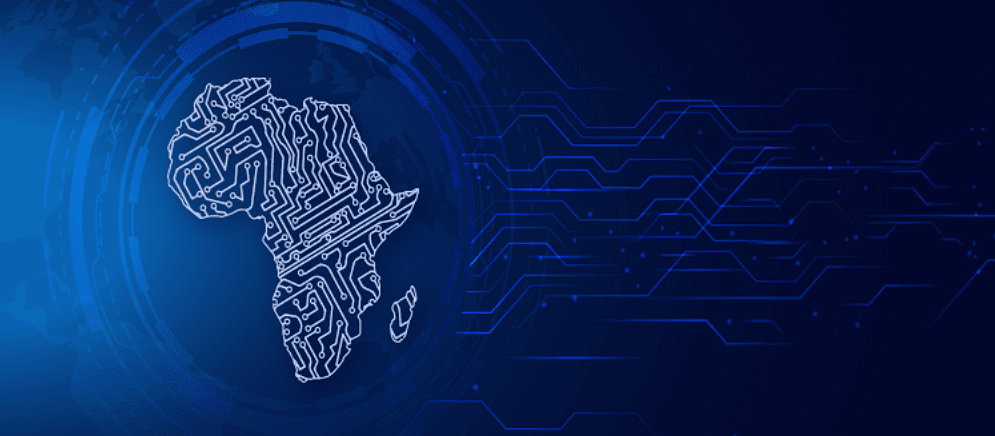
African cyber governance plays out at the crossroads of political decision, sovereignty and regional cooperation.
Can the proven principles of military strategy inform the conduct of operations in cyberspace?